Selling a home in Kirkland can feel like a lot to manage at once. You want to price well, look polished online, avoid surprises, and get to closing without unnecessary delays. The good news is that a smart checklist can keep the process clear from start to finish. Here’s how to prepare, market, and close your Kirkland home sale with more confidence. Let’s dive in.
Start With Kirkland Property Details
Before you focus on photos or showings, make sure you understand the basics of your property file. In Kirkland, that means checking permit history, zoning, assessor information, utility providers, and any critical-area details that may affect the home.
The City of Kirkland recommends using its Property Search and Kirkland Maps tools early in the process. These resources can help you confirm whether past work appears properly documented and whether the property has factors like streams, wetlands, slopes, buffers, or other planning considerations.
This step matters because permits are required for many types of construction, alterations, repairs, and system changes. The city also notes that even when a project may be exempt from permit requirements, that does not override flood-hazard, wetland, steep-slope, shoreline, or other critical-area rules.
Gather Your Selling Documents Early
One of the easiest ways to reduce stress later is to collect your paperwork before your home goes live. That includes repair receipts, warranties, permits, HOA or condo documents if they apply, and any records related to updates you made over the years.
If your home is part of a condo or homeowners association, gather those materials as early as possible. Washington’s disclosure law specifically references HOA information, so having those documents ready can help keep the transaction moving.
It is also smart to keep copies of everything tied to your sale. According to the Washington Department of Revenue, REET support documents should be retained for at least four years after the sale.
Understand Washington Disclosure Rules
For most residential sales in Washington, sellers must complete, sign, and date a disclosure statement under RCW 64.06. The disclosure is generally delivered within five business days after mutual acceptance, and the buyer usually has three business days after receiving it to accept or rescind.
It is important to remember that this disclosure is just that, a disclosure. It is not a warranty. Still, accuracy matters. If you learn new information before closing that makes the disclosure inaccurate, Washington law says you generally must amend it unless the issue is corrected at least three business days before closing.
This is one reason early prep helps. When you review permits, records, and property details upfront, you put yourself in a better position to complete disclosures carefully and avoid last-minute scrambling.
Lead Paint Rules for Older Homes
If your home was built before 1978, federal law adds another required step. Sellers must provide the buyer with the lead-paint pamphlet, disclose any known lead-based paint information, share available reports, and include the required lead warning statement before the contract is signed.
The EPA explains these lead-based paint disclosure requirements for real estate transactions. If there is deteriorating lead paint, it is treated as a hazard, so it is especially important to address this part of the file correctly.
Prep the Home Before Marketing
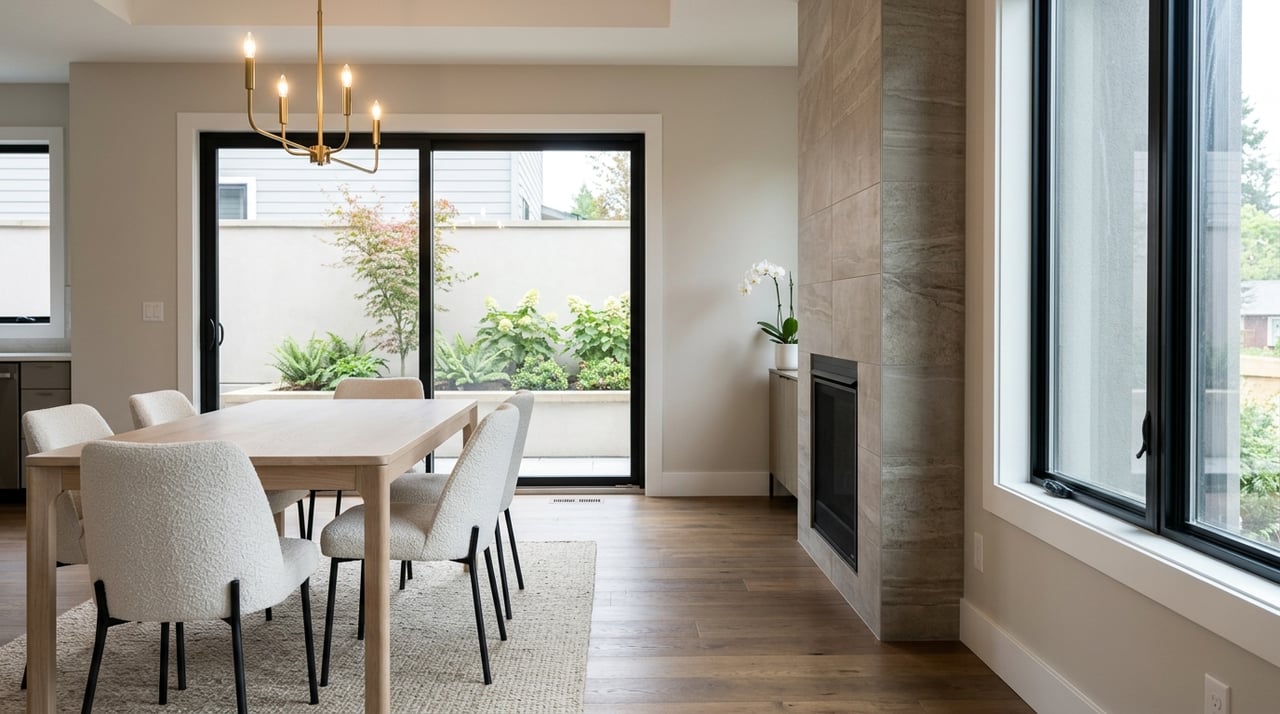
Once your paperwork is underway, shift to presentation. Your goal is to make the home feel clean, bright, and easy to picture from the first online impression through the final showing.
A practical pre-listing checklist for Kirkland sellers includes:
- Deep clean the home
- Declutter rooms and storage areas
- Remove excess furniture
- Touch up paint where needed
- Replace burned-out bulbs
- Simplify kitchen and bathroom counters
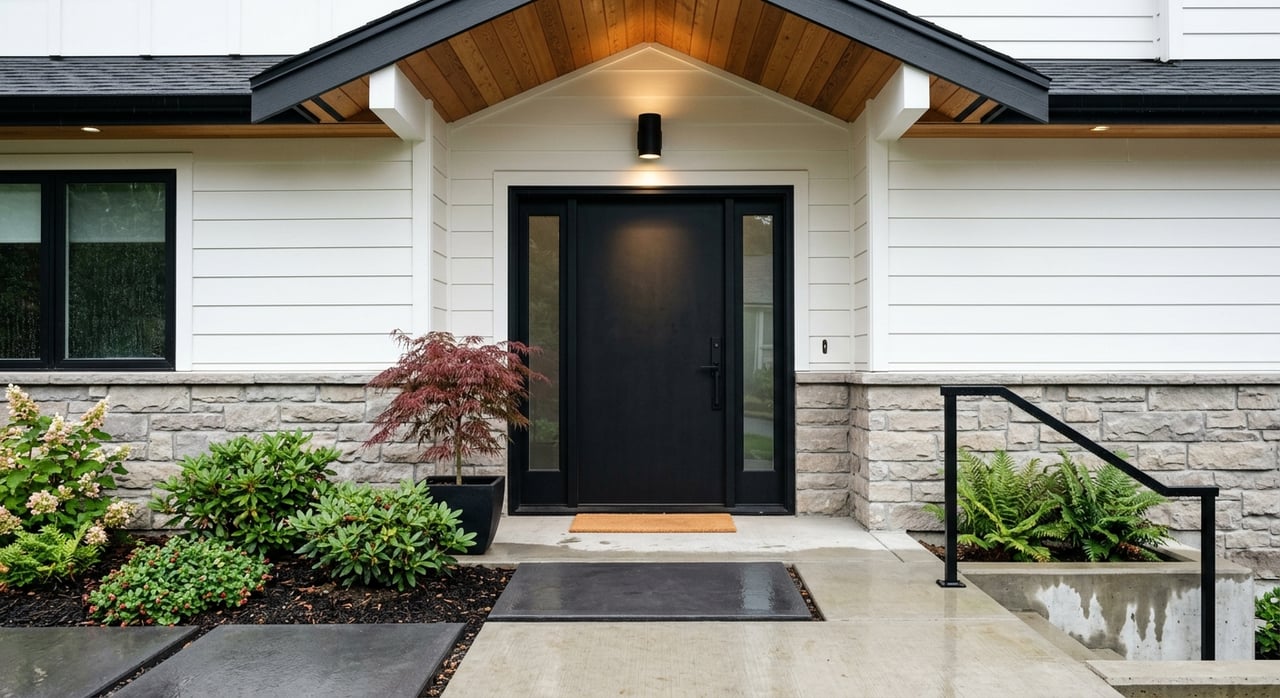
- Refresh curb appeal
These steps are not legal requirements, but they can make your home more inviting and easier to market well. They also support stronger listing photos, which continue to play a major role in how buyers respond.
Finish Staging Before Photos
This step is worth extra attention. According to the National Association of Realtors’ 2025 Profile of Home Staging, 83% of buyers’ agents said staging made it easier for buyers to visualize a future home, and 73% said photos were important.
The same report found that the living room, primary bedroom, and kitchen were the most important rooms to stage. The practical takeaway is simple: finish staging before photography, not after.
Buyers often see your home online before they ever step inside. If your photos show a polished, uncluttered home, your in-person presentation should match that experience as closely as possible.
Build a Showing-Day Routine
Once your listing is active, consistency matters. The home should stay as close as possible to its photo-ready condition so buyers see what they expected when they arrive.
A simple showing-day routine can help:
- Secure pets
- Put away valuables and medications
- Open blinds
- Turn on lights
- Remove trash
- Clear dishes from sinks and counters
- Do a quick reset of main living spaces
Because photos, staging, video, and virtual tours all shape buyer expectations, keeping the home clean and bright during showings helps support the marketing you already paid for and planned.
Review Offers With the Full Picture
When offers come in, it is tempting to focus only on price. But the strongest offer is not always the one with the highest number on page one.
Sellers usually compare several terms at once, including financing strength, contingencies, earnest money, appraisal terms, requested repairs, and the proposed closing date. Looking at the whole offer helps you weigh risk, timing, and overall certainty.
A clean, well-prepared file can help here too. When your disclosures, permits, and property details are organized, buyers may have fewer unanswered questions as they evaluate your home.
Stay Organized Under Contract
Mutual acceptance is a big milestone, but it is not the finish line. Once you are under contract, keep tracking timelines and paperwork carefully.
Under Washington law, if the seller disclosure statement has not been delivered, the buyer’s rescission rights can continue until three business days after receipt or closing, whichever comes first. And if new information comes up that makes the statement inaccurate, the seller generally must amend and deliver it unless the issue is corrected at least three business days before closing.
This is also the time to keep documents easy to access. Save copies of disclosures, invoices, permits, and any transaction communications that may be needed before closing is complete.
Prepare for REET and Recording
In Washington, Real Estate Excise Tax, or REET, is generally the seller’s obligation. The Washington Department of Revenue states that all sales of real property are subject to REET unless an exemption applies, and the tax can become a lien if unpaid.
The REET affidavit is normally filed with the conveyance document and payment. In King County, the Recorder’s Office records deeds and mortgages and collects real estate excise taxes. The office also notes that the preparer is responsible for preparing a document for recording.
For you as a seller, the key takeaway is to coordinate your closing file carefully so REET and recording do not create avoidable delays. A complete, organized transaction file helps the final steps move more smoothly.
Know When Closing Is Official
Washington law says closing is deemed to occur when the buyer pays the purchase price or down payment and the conveyance document is delivered and recorded. At that point, the seller’s disclosure obligations end.
That legal definition matters because it marks the final handoff. Until then, stay responsive, keep your documents in order, and be ready to provide updates if something material changes.
After closing, hold onto your records. The Department of Revenue says keeping disclosure statements, permits, repair invoices, and closing or tax records for at least four years is a smart baseline.
Your Kirkland Seller Checklist at a Glance
If you want a simple version of the process, here is the practical checklist:
- Check Kirkland property details, permits, zoning, and critical-area information.
- Gather receipts, warranties, permits, HOA documents, and prior records.
- Complete required Washington disclosures accurately.
- Follow federal lead-paint rules if the home was built before 1978.
- Clean, declutter, and prep the home for market.
- Finish staging before photography.
- Keep the home consistent during showings.
- Review offers based on price and terms.
- Stay current on disclosure updates after mutual acceptance.
- Coordinate REET, recording, and record retention through closing.
Selling a home in Kirkland involves more than putting a sign in the yard. When you verify city records early, complete disclosures carefully, prepare the home before photos, and stay organized through closing, you give yourself a better chance at a smoother sale. If you want practical guidance and steady support as you prepare to sell, connect with Yang Xiao for a local market conversation.
FAQs
What disclosures are required when selling a home in Kirkland?
- For most residential sales, Washington requires a completed, signed, and dated seller disclosure statement under RCW 64.06, and sellers may need to amend it if new information makes it inaccurate before closing.
What should Kirkland sellers check before listing a home?
- Kirkland sellers should review permit history, zoning, assessor details, utility information, and possible critical-area issues using the city’s property tools before the home hits the market.
What if a Kirkland home was built before 1978?
- If the home was built before 1978, federal law generally requires the seller to provide the lead-paint pamphlet, disclose known lead-based paint information, share available reports, and include the required warning statement before contract signing.
When should staging happen for a Kirkland home sale?
- Staging should be completed before listing photography so your online presentation reflects the home at its best from the start.
Who pays REET when selling a home in Washington?
- In Washington, REET is generally the seller’s obligation unless an exemption applies.
How long should you keep records after selling a Kirkland home?
- A practical rule is to keep disclosure statements, permits, repair invoices, and closing or tax records for at least four years after the sale.