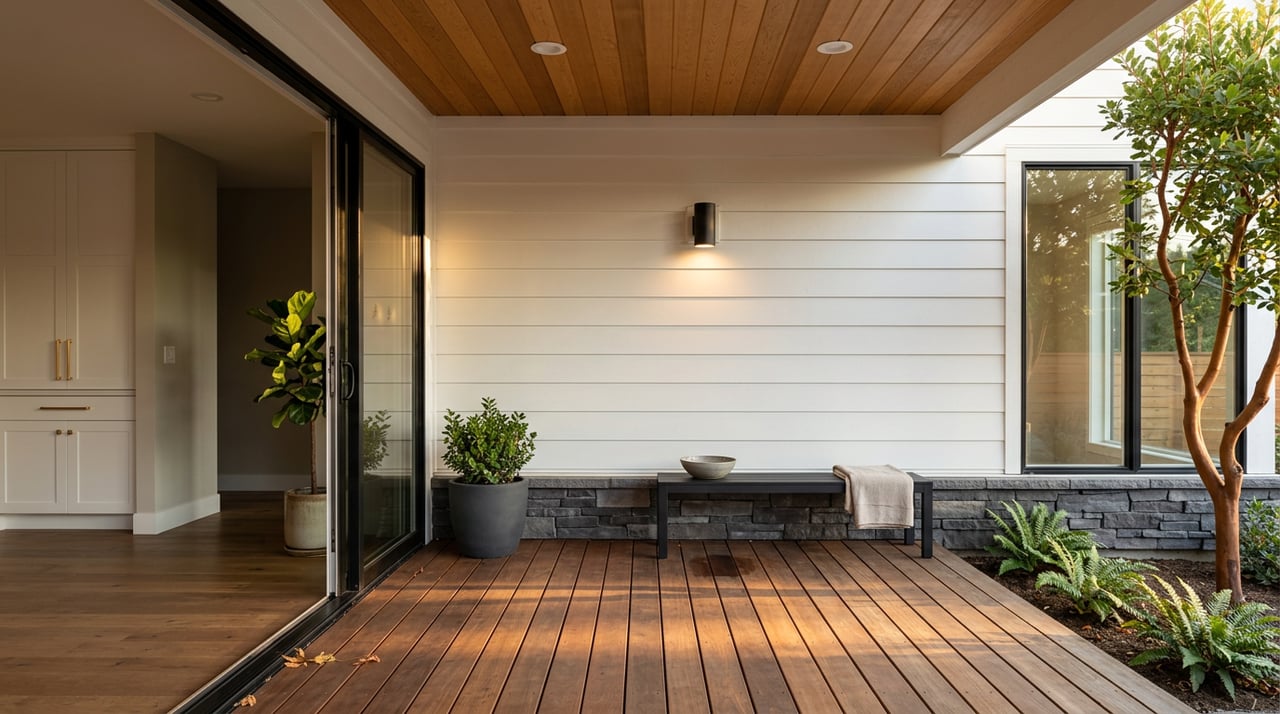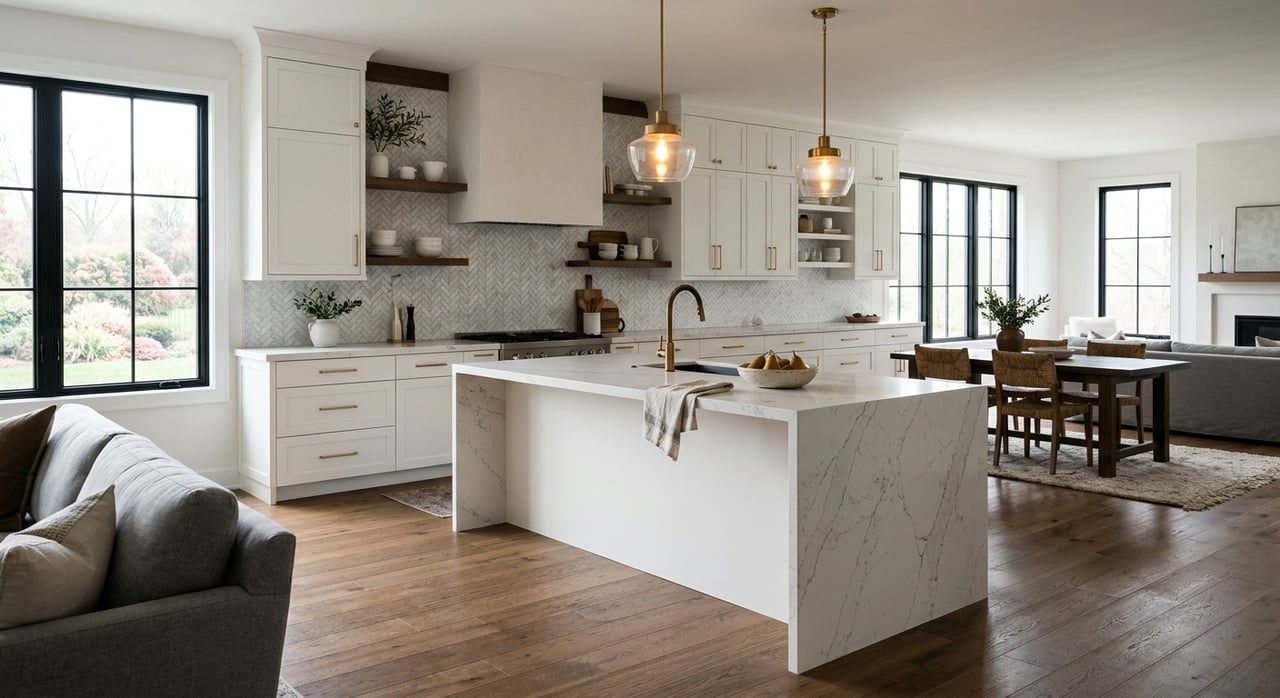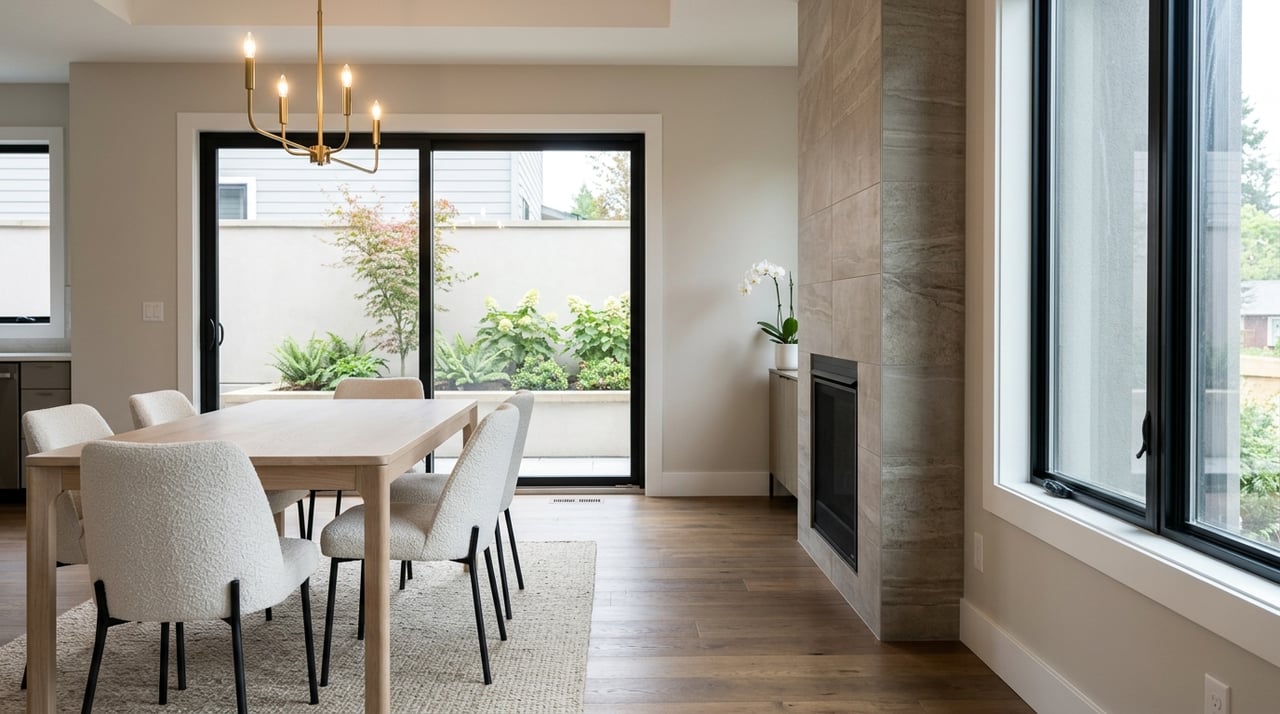
If you’ve been keeping an eye on the local market lately, you’ve probably noticed a shift. Not long ago, it felt like any house with a "For Sale" sign in the front yard would be snatched up by Monday afternoon. But today, the 2026 real estate landscape is a different beast. While well-presented homes are still finding buyers in about 20 to 25 days, others are hitting that dreaded 60-day mark: or longer.
When a home sits, the first question sellers usually ask is, "Is the price too high?" While pricing is huge, the culprit is often something much more subtle: the presentation. Buyers in the Greater Seattle area are more selective than ever. They aren’t just looking for square footage; they’re looking for a lifestyle. If your staging isn't telling the right story, you're essentially handing your potential buyers over to the competition.
The "Invisible" Barriers: Furniture and Flow
One of the most common mistakes I see as a real estate agent is a house that feels "cramped" even when it has plenty of space. We all love our comfortable, oversized sectionals and that heirloom dining table that seats twelve, but in the world of staging, less is almost always more.
When rooms are overfilled, it doesn't just look busy; it actually makes the square footage feel smaller. Buyers need to see "sightlines." They need to feel like they can breathe as they move through the house. If they’re navigating an obstacle course of coffee tables and ottomans, their subconscious brain is registering "lack of space."
Budgeting Smart: You don't always need to buy new furniture. Often, our staging services recommendations start with "editing." We might suggest moving 30% of your furniture into a temporary storage unit. It costs a few hundred dollars a month but can add tens of thousands to your perceived home value.
| Staging Level | Estimated Cost | Impact on Days on Market (Avg) |
|---|---|---|
| DIY Decluttering | $0 - $500 | 35-45 Days |
| Partial Staging (Key Rooms) | $2,000 - $4,000 | 20-28 Days |
| Full Professional Staging | $5,000+ | 14-21 Days |
The Personal Connection Gap
It sounds harsh, but when you're selling, your home needs to stop looking like your home.
When a buyer walks through the front door, they are trying to mentally "move in." If they see your family vacation photos, your child's artwork on the fridge, or your specific collection of vintage clocks, they remain a guest in your house. We want them to feel like the owner.
Depersonalizing isn't about making a home "soulless": it’s about making it a blank canvas. We use neutral tones and high-quality accessories to create a "boutique hotel" vibe. This allows the buyer's imagination to take center stage.
Key Tip: If you can’t decide if an item is too personal, look at your walls. If you have more than three personal photos in a single room, it’s time to pack them away. Focus on neutral art that emphasizes the height of the ceilings or the natural light from the windows.
Maintenance Red Flags and First Impressions
First impressions happen before the buyer even steps inside. In our experience, curb appeal is the "hook." If the front garden is overgrown or the front door is scuffed, a buyer immediately starts looking for other signs of "deferred maintenance."
Inside, the "smell test" is equally vital. Whether it’s pet odors, yesterday’s salmon dinner, or even a heavy-handed air freshener, strong scents trigger a "red flag" response. Buyers might worry about hidden mold or deep-seated stains.
A Week in the Life: The Staging Transformation
To give you an idea of how we handle this, let’s look at a typical week for a client using our Signature System:
- Monday: The Concierge Team arrives. We walk through the "Pre-emptive Staging" plan, identifying which pieces of furniture stay and which go to storage.
- Tuesday: Landscapers refresh the beds and power-wash the driveway. Suddenly, the house pops against the neighborhood greenery.
- Wednesday: A fresh coat of "Seattle-friendly" neutral paint (think warm whites or soft greys) goes up in the living room to maximize the afternoon light.
- Thursday: Professional stagers bring in curated pieces: a sleek sofa, modern lamps, and fresh greenery: to define each space.
- Friday: Professional photography and videography. The home looks like a magazine spread, ready to hit the screens of thousands of local buyers.
Your Pre-Listing Checklist
Before you hit the market, run through this quick list to see where you stand:
- Light Check: Replace all burnt-out bulbs with consistent "daylight" or "warm white" LEDs.
- The 50% Rule: Clear off 50% of all flat surfaces (counters, bookshelves, mantels).
- Closet Space: Remove half the clothes from your closets. It makes the storage look twice as big.
- The Entryway: Clean the front door and add a fresh mat. (Check out our selling guide for more on this!)
- Neutralize: Paint over any "statement" walls with a broad-appeal color.
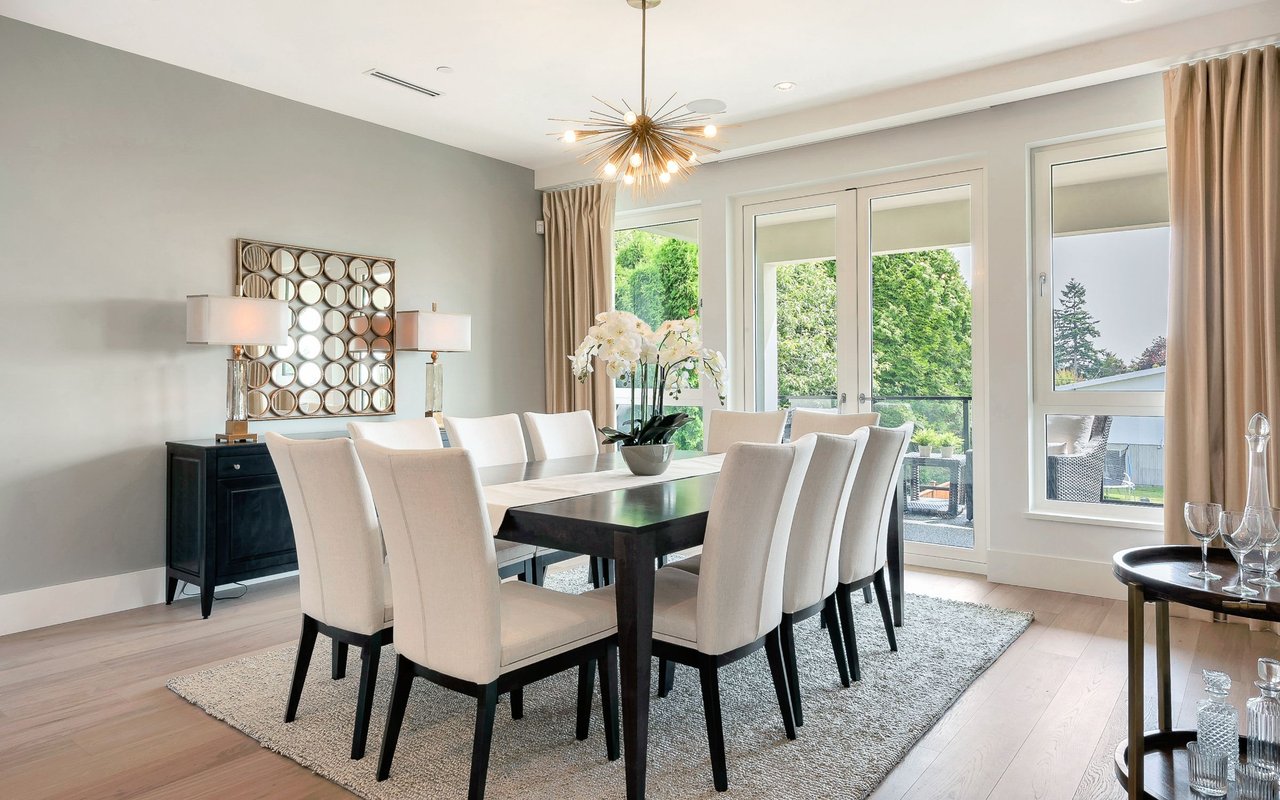
FAQ: Staging for the Seattle Market
Does staging really work if the market is still "hot"?
Absolutely. While a home might sell without staging, it rarely sells for its maximum potential price. In 2026, buyers are savvy; they use staging as a proxy for how well a home has been cared for.
Should I stage every single room?
Not necessarily. If you're on a budget, focus on the "Big Three": The Living Room, The Kitchen/Dining Area, and the Primary Bedroom. These are the spaces where buyers make their emotional decisions.
What if my house is empty?
Empty houses are actually harder to sell. Without furniture, buyers struggle to understand the scale of a room ("Will my king-sized bed fit here?") and every tiny wall imperfection becomes magnified. Virtual staging is an option, but physical staging is always preferred for the in-person tour.
Why can virtual staging be a bad idea?
Virtual staging can create a polished online first impression, but it can also backfire if it sells a version of the home that doesn’t exist in real life. When buyers show up expecting a warm, fully furnished space and instead walk into an empty room, they can feel disappointed or even a little cheated. That gap between the photos and the actual experience can weaken trust right when you want buyers feeling confident. If you use virtual staging, it needs to be clearly disclosed and handled carefully. In most cases, honest presentation and strong physical preparation will serve you better than a digital shortcut.
How much should I spend on staging?
A general rule of thumb is to invest about 1% of the home’s value into preparation and staging. In return, the industry average ROI is often 5% to 15% in the final sales price.
Moving Forward Without the Pressure
Staging can feel overwhelming, especially when you’re already busy planning your move. But you don't have to do it alone. At Yang Home Team, we’ve refined a process that takes the heavy lifting off your shoulders: from coordinating the landscaping to providing the perfect modern decor through our Concierge Service.
Our goal isn't just to sell your house; it's to ensure you walk away knowing you didn't leave money on the table. If you're curious about how your home would look with a professional "refresh," or if you just want an honest opinion on what's worth fixing before you list, reach out. We’re here to help you navigate the Seattle market with clarity and confidence.