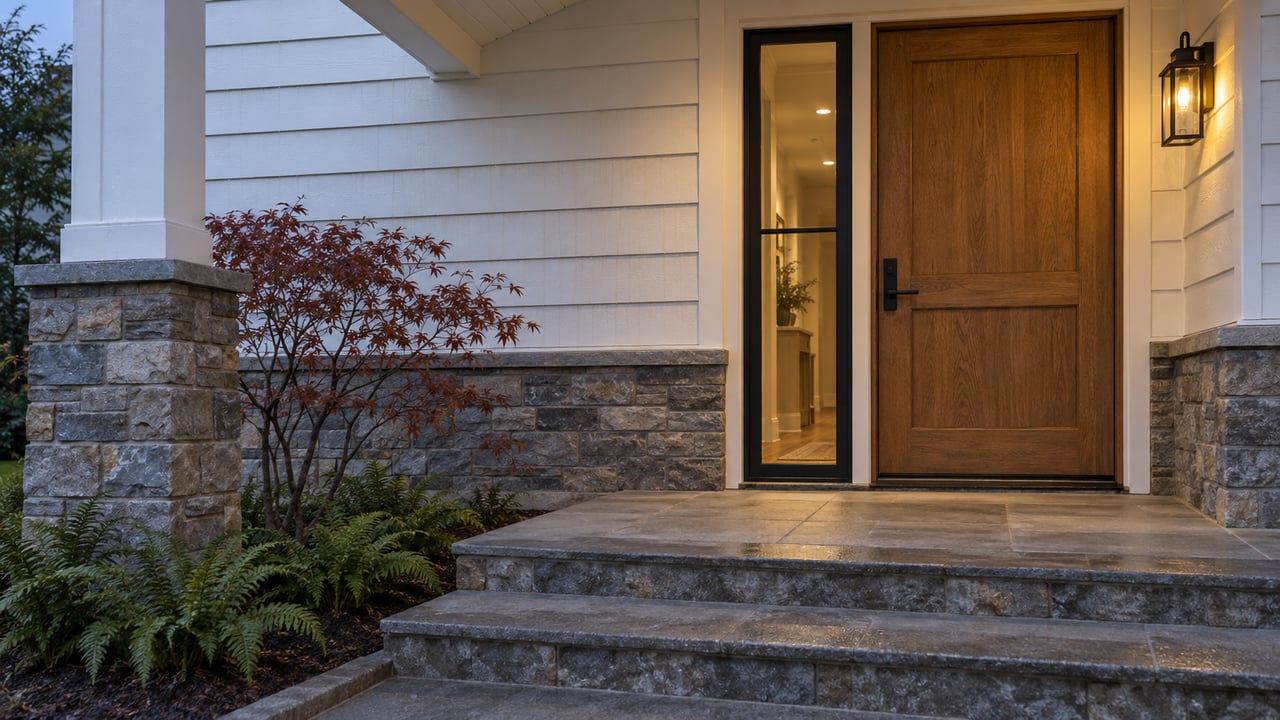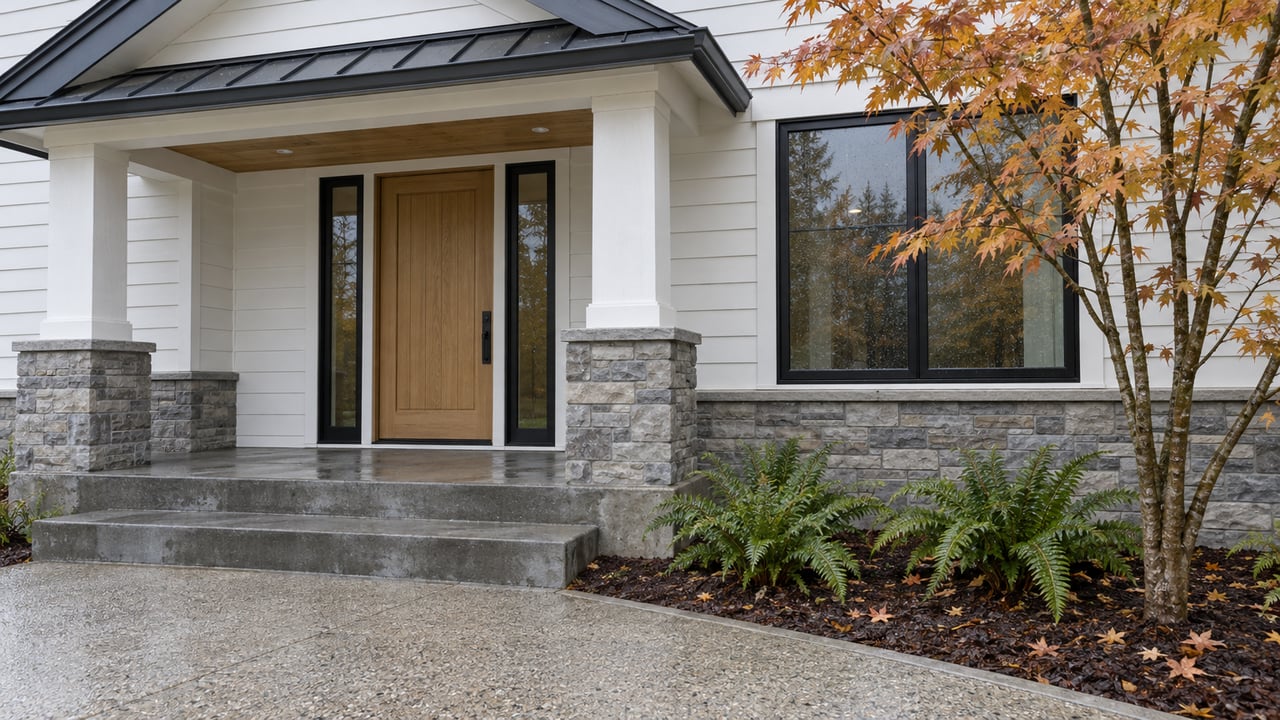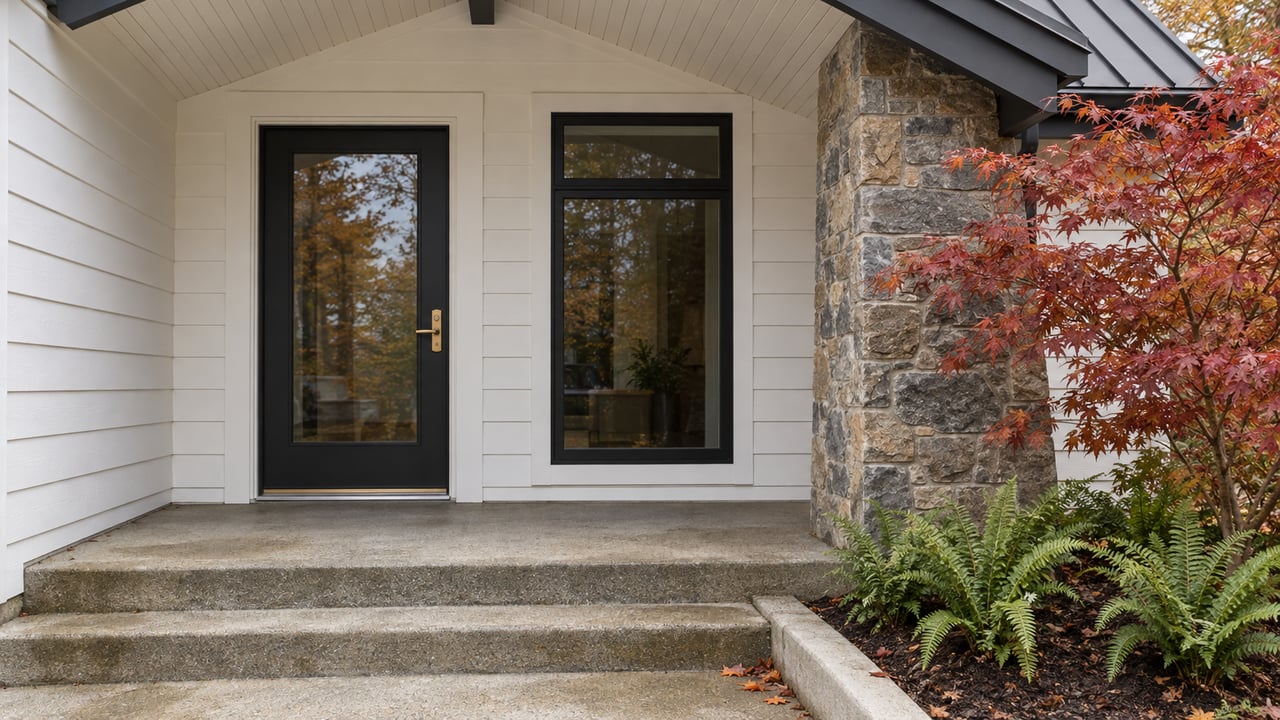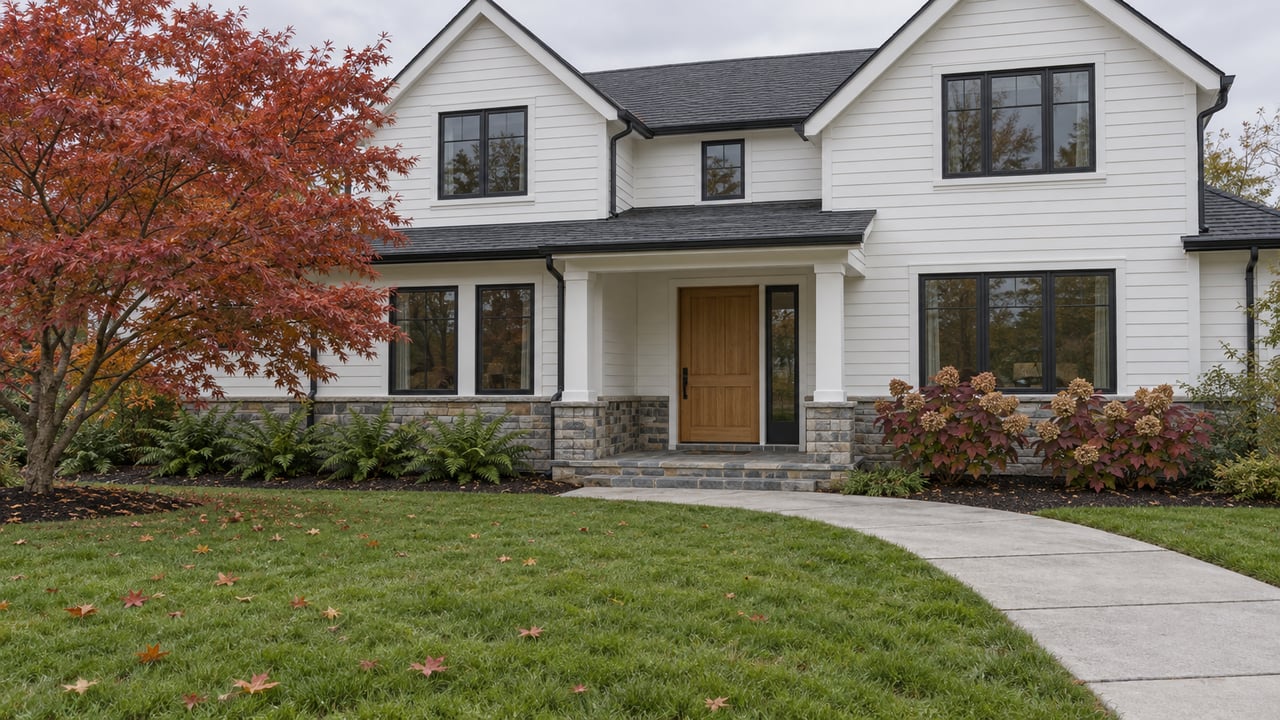
Washington Square Towers has never been a building anyone would call troubled. The two 2008-era towers near Bellevue Square carry a reputation locals still describe as well-run, with a full-time concierge, a strong reserve fund, and the kind of long-term ownership culture that keeps resale values steady. And yet the association has spent more than a decade, starting with an initial condition assessment in 2010 and running through leak investigations in 2021, working with the engineering firm RDH on a coordinated waterproofing and drainage renewal program across the townhomes, tower balconies, courtyard, and main entrance. RDH also delivered an updated reserve fund study to guide the association's long-range planning as that work wrapped up.
That is what a reserve study actually is. Not a form the HOA files once and forgets, but a running financial map of exactly when the roof, the balconies, and the parking structure will need money the association may not currently have. In 2026, whether that map exists, and whether it is current, has become the single detail most likely to determine whether a Bellevue condo purchase closes on schedule, closes at all, or turns into a surprise bill six months after move-in.
Washington Just Pulled Older Bellevue Buildings Into a Stricter Reserve Rule
For years, Bellevue's condo buildings operated under two different rulebooks depending on when they were formed. Buildings created before July 1, 2018, generally followed the older Condominium Act. Anything formed after that date fell under the newer Washington Uniform Common Interest Ownership Act, or WUCIOA, which set a more specific reserve study schedule: an annual update, plus a full visual site inspection by a reserve study professional at least every three years.
That split ended, at least in part, on January 1, 2026. Under ESSB 5129, signed April 22, 2025, nine specific WUCIOA provisions, including the reserve study requirement at RCW 64.90.545, now apply to pre-2018 communities as well. Bellevue Towers, Washington Square Towers, and One Lincoln Tower were all formed before that cutoff. Buildings like One88, Avenue Bellevue, and Mari Bellevue were formed after it and have operated under the stricter WUCIOA reserve cycle since the day their declarations were recorded.
In plain terms, some of Bellevue's most established, best-regarded buildings are now being held to a compliance standard they were never designed around. A reserve study explainer from CommunityPay lays out the full timeline, including a second wave arriving January 1, 2028, when every Washington common interest community transitions fully to WUCIOA regardless of formation date.
The same legislative session also produced SB 5686, effective January 1, 2026, which expands Washington's foreclosure mediation program to cover unit owners facing lien foreclosure over unpaid special assessments. It creates a mandatory meet-and-confer process and caps collection fees during that standstill period at $50 or 5 percent of the late fee, plus a $10 administrative charge. It is a protection built for exactly the scenario a bad reserve study makes more likely: an owner hit with a large, unbudgeted bill they cannot pay all at once.
The Federal Deadline Bellevue HOA Boards Are Quietly Budgeting Around
State law is not the only clock running. In 2026, Fannie Mae updated its condo project eligibility standards to raise the minimum share of a building's annual operating budget that must go toward reserves, from 10 percent to 15 percent, for loans dated on or after January 4, 2027.
Most HOA boards set their annual budget once a year, often in the fall for the following calendar year. That means the budget many Bellevue associations are drafting right now, in the second half of 2026, is the one that will be tested against the new 15 percent standard the moment a buyer tries to close with a conventional loan in early 2027. A board that budgets conservatively this fall protects its building's financing eligibility. A board that does not may not find out there is a problem until a buyer's loan gets denied.
What This Looks Like Building by Building
The pre- and post-2018 split is not just a legal technicality. It maps onto real buildings buyers are touring in Downtown Bellevue right now.
| Building | Completed | Units | Formation Relative to July 2018 | Reserve Study Framework |
|---|---|---|---|---|
| One Lincoln Tower | 2006 | 148 | Pre-2018 | Newly folded into WUCIOA's annual-update, 3-year-inspection cycle as of Jan. 2026 |
| Bellevue Towers | 2008 | 539 | Pre-2018 | Same |
| Washington Square Towers | 2008 | ~377 (351 condos + 26 townhomes) | Pre-2018 | Same; has a documented multi-year reserve and renewal history dating to 2010 |
| One88 | 2020 | 147 | Post-2018 | Operating under full WUCIOA reserve rules since inception |
| Avenue Bellevue | 2022 | 365 across two towers | Post-2018 | Same |
| Mari Bellevue | 2024 | 138 | Post-2018 | Same |
None of this means the older buildings are worse investments. Washington Square Towers' decade of documented reserve work is a point in its favor precisely because it shows the association took the underlying problem seriously long before the law forced the issue. The point is that "established" and "compliant" are not the same thing, and only the paperwork tells you which one you are looking at.
What to Pull From the Resale Certificate Before You Write an Offer
Every condo sale in Bellevue triggers a resale certificate governed by RCW 64.34.425, which requires 20 specific disclosures and caps the preparation fee at $275. According to a directory of Bellevue's roughly 922 HOA and condo communities, the median monthly HOA fee across the city sits at $495, but that number hides enormous variation between a boutique mid-rise and a full-amenity high-rise.
If the association has no current reserve study, CommunityPay says Washington law requires the certificate to say so, in language set by statute:
"This association does not have a current reserve study. The lack of a current reserve study poses certain risks to you, the purchaser. Insufficient reserves may, under some circumstances, require you to pay on demand as a special assessment your share of common expenses for the cost of major maintenance, repair, or replacement of a common element."
Before writing an offer on a Bellevue condo, ask for and read through:
- The current reserve study, including the percent funded and the projected cash balance for each of the next three to five years, not just the headline funding percentage
- Two years of board meeting minutes, looking specifically for mentions of building envelope issues, deferred maintenance, or pending special assessments
- The current operating budget, and what share of it is allocated to reserves relative to the 15 percent conventional-lending threshold
- Any unpaid common expenses or special assessments currently owed by the seller
- The master insurance policy's water damage deductible, so your own HO-6 policy can be sized to match
Why This Matters More in Today's Bellevue Condo Market
Bellevue's condo segment has been loosening all year. NWMLS area-level data for February 2026 told two very different stories depending on which side of the city you were shopping: one area posted a $1.09 million median sold price on 73 active listings with 9.13 months of supply, while another showed a tighter 4.65 months of supply and a $1.265 million median. Separate market tracking through the spring found Bellevue's active condo inventory up roughly 25.7 percent year over year, with days on market in condos and outer neighborhoods stretching to 15 to 25 days as buyers took more time to compare listings.
That extra time is exactly what makes the reserve study conversation worth having now instead of after you are already under contract. In a tighter market, buyers skip the diligence because they cannot afford to lose the unit. In a market where condos are sitting longer and inventory keeps building, there is room to ask for the reserve study, the minutes, and the budget before you commit, and to walk away or renegotiate if what comes back looks thin. The list price was never the full picture. In 2026, the building's paperwork is doing more of the work of separating a sound purchase from a delayed closing or a five-figure assessment down the road.
FAQ
Does the reserve study requirement apply to HOAs, or only to condominiums, in Bellevue? Both. The Washington Condominium Act (RCW 64.34) covers condo associations, while the Homeowners' Associations Act (RCW 64.38) and now WUCIOA (RCW 64.90) extend similar reserve planning obligations to HOAs and planned communities with significant shared assets.
If I'm paying cash, does the Fannie Mae reserve threshold still matter to me? It matters less for your own financing, but it still affects the building's resale pool. A non-warrantable building shrinks the buyer pool to cash and portfolio-loan buyers, which can weigh on future resale value and marketing time even if your own purchase does not involve a conventional loan.
What happens if the seller can't produce a current reserve study at all? Washington law requires the resale certificate to disclose that the study is missing, using specific statutory language about the risk of a future special assessment. That disclosure itself is worth treating as a serious flag, not a formality to skim past.
If you are comparing Bellevue condo buildings and want a second set of eyes on a reserve study or resale certificate before you write an offer, reach out to Y Yang for a free, no-pressure look at the numbers.
This article is general information, not legal, tax or financial advice. Consult a qualified professional about your situation.