What if your morning run could start on a tree-lined trail and end at a downtown coffee shop without moving your car? If you love easy access to parks, water, and bike paths, Redmond gives you an outdoor lifestyle that fits work and family. In this guide, you’ll see how the city’s parks and trails shape everyday life, which neighborhoods match different routines, and how new transit ties it all together. Let’s dive in.
Why Redmond works for outdoor living
Redmond is an Eastside city with a strong tech job base and a daily rhythm built around parks and trails. The city reports 47 parks across about 1,351 acres and a network that includes 39 miles of city-owned trails and roughly 59 miles of public trails when you add regional connections. That scale is a big reason you see joggers, strollers, and bikes on the paths morning through evening. You can confirm the city’s park and trail counts in the official parks overview.
Redmond also draws people who want high convenience near jobs. The 2024 population is about 82,195, the median household income is roughly $162,560, and the median owner value is about $1,167,800. The mean commute time is around 22 minutes, which helps explain why many residents use trails for short trips or to reach transit. You can review these figures in the U.S. Census QuickFacts.
Marymoor Park anchors it all. It sits at the city’s trail hub and offers sports fields, a velodrome, a large off-leash dog area, and a popular summer concert series. For many locals, Marymoor is a weekly routine, not a special trip.
- Explore Redmond’s park system: city parks and trails overview
- Check local demographics: U.S. Census QuickFacts for Redmond
The parks locals use most
Marymoor Park: Redmond’s backyard
Marymoor Park, managed by King County, is Redmond’s regional playground. You’ll find open fields, sports facilities, the velodrome, event space, and one of the area’s largest off-leash dog zones. It also serves as a key trailhead and connector, so you can roll right onto the Sammamish River Trail for longer rides or runs.
- See features and dog area details on the Marymoor Park page
Family-friendly city parks
Redmond’s neighborhood parks make weekday play easy. Here are a few favorites residents mention often:
- Farrel-McWhirter Park. A 68-acre farm and education park with a daily barnyard, trails, and picnic space. It’s great for hands-on nature time and kids’ programs. Learn more about Farrel-McWhirter programs and amenities.
- Idylwood Beach Park. Redmond’s free public access point to Lake Sammamish. It has a swimming beach, small boat launch, and picnic shelters, which is ideal for warm-weather afternoons. Check the Idylwood Beach Park page for details.
Other popular picks include Grass Lawn Park for sports and a seasonal splash pad, Westside Park for newer inclusive play features, and Downtown Park for its lawn and splash area right in the urban core.
Trails that connect daily life
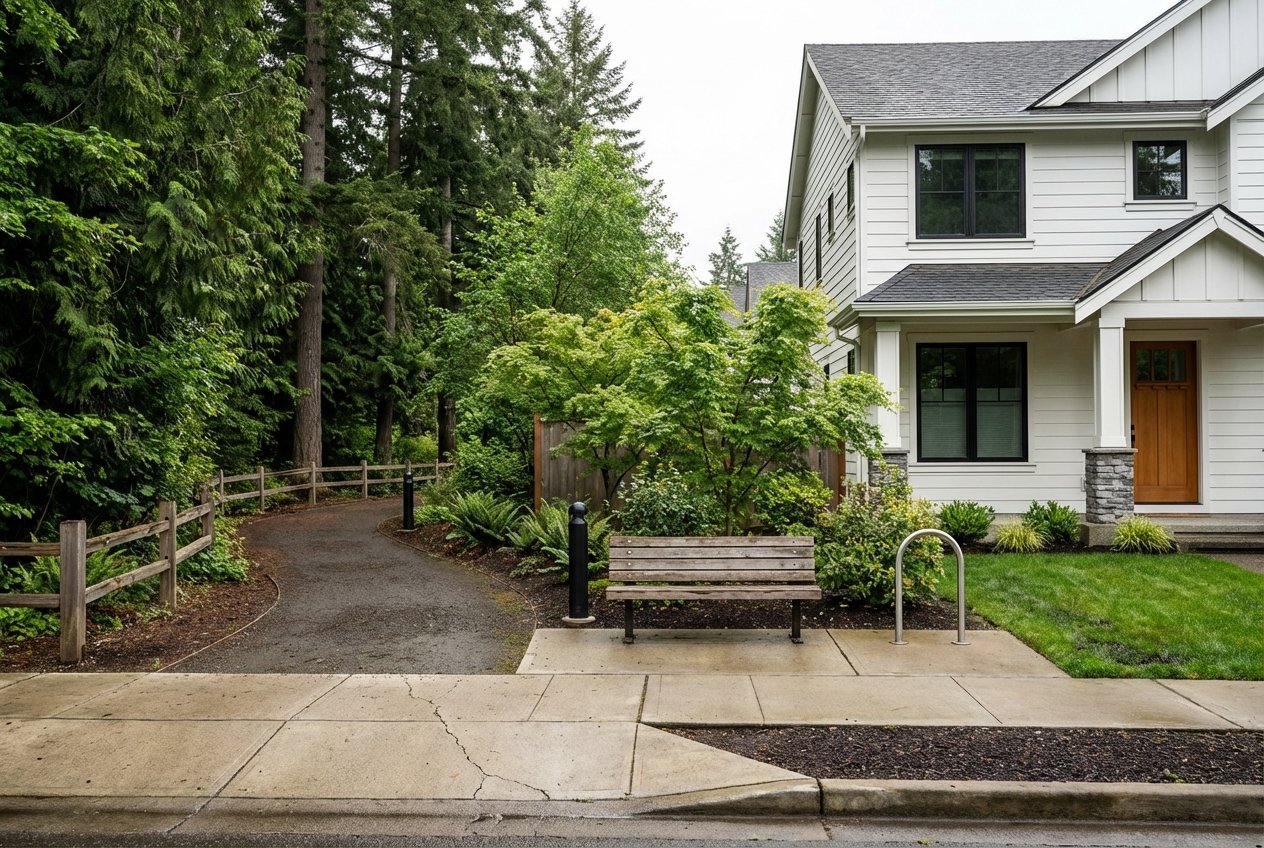
Redmond’s trail network doubles as a transportation system. You can travel between neighborhoods, parks, and job centers without relying on busy streets.
- Sammamish River Trail. A paved regional path running from Marymoor through Woodinville toward Bothell. It’s a favorite for commuting and weekend mileage. Read a route overview on the Sammamish River Trail page.
- East Lake Sammamish Trail. A paved corridor along Lake Sammamish that links Issaquah and Redmond. Many riders use it for both fitness and point-to-point trips. See the East Lake Sammamish Trail overview.
- Redmond Central Connector and Eastrail. The Redmond Central Connector is the city’s 3.9-mile piece of the Eastrail that stitches downtown, town center, and employment districts together. It expands off-street options for walking and biking across the Eastside. Check recent updates on the Redmond Central Connector project page.
What this means for you:
- You can bike to work or to the light rail and skip traffic.
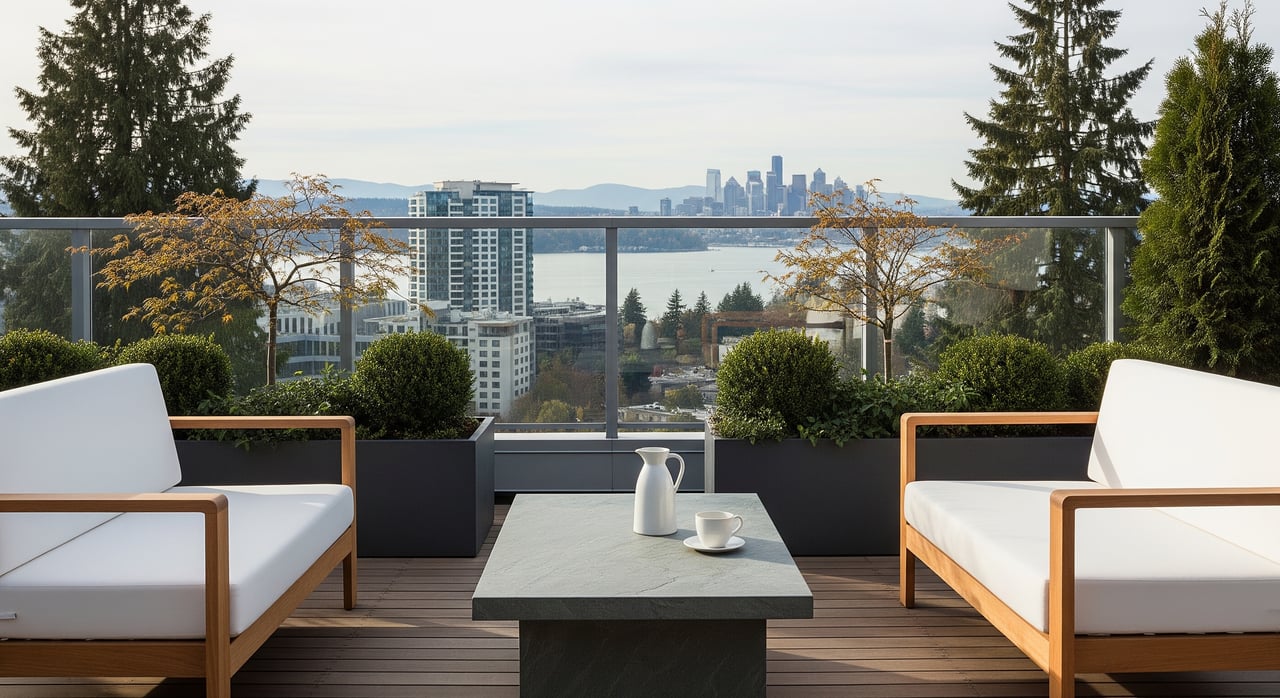
- Weekend loops connect parks, coffee stops, and waterfront views.
- Kids can practice longer rides on wide, separated paths.
Neighborhood feel, block by block
Redmond’s neighborhoods offer different daily rhythms. Here’s how the feel shifts as you move across town.
Downtown and Grass Lawn
This is Redmond’s most walkable area. You’re close to Downtown Park, restaurants, and the Redmond Central Connector, which puts trails right at your doorstep. Evenings feel lively with after-work walkers and casual events on the green.
Overlake and Redmond Technology
This area revolves around major job centers, including Microsoft’s campus, and two light rail stations. Streets feel more urban and mixed-use, which suits tech professionals who want short commutes and quick food options. Trail connections line up with transit, making bike-to-rail a common routine.
North Redmond and Idylwood
Closer to Lake Sammamish, you’ll see a more suburban setting with yards and easy access to Idylwood Beach. Many residents pick this area for a balance of lake time and proximity to Marymoor and downtown by bike or short drive.
Education Hill, Bear Creek, Willows / Rose Hill
These neighborhoods mix residential streets with pocket parks and nearby school campuses. You’ll find a practical balance of yard space and access to community amenities. The Willows corridor also connects to business parks and Marymoor for quick trail access.
Master-planned pockets like Redmond Ridge
Planned communities often prioritize internal trails, playgrounds, and nearby schools. They tend to attract buyers who want newer homes and neighborhood greenways built into daily life.
If you want a quick map reference, the city’s neighborhood pages can help you confirm general boundaries and amenities. Transit openings and new trail segments may adjust what feels close, so it pays to walk or ride a few routes before you decide.
Family routines made easy
Families in Redmond often slip outdoor time into everyday schedules. A few examples:
- Hands-on nature. Many families build weekly visits around the barnyard and trails at Farrel-McWhirter Park to keep kids connected to animals and the outdoors.
- Water and play. Idylwood’s beach becomes a go-to in summer, while neighborhood splash pads and playgrounds simplify quick after-dinner outings.
- Community programs. The city offers seasonal camps, classes, and drop-in activities at multiple facilities, which is convenient for childcare gaps and after-school options.
- Dog-friendly life. The large Marymoor off-leash area is a regional draw, so your dog can play while you get fresh air and meet other owners.
Getting around without a car
Redmond’s trail network pairs well with Link light rail for mixed-mode commutes. The 2 Line opened in stages. Service began at Redmond Technology Station on April 27, 2024, and the Downtown Redmond and Marymoor Village stations opened for service on May 10, 2025. That puts transit within walking or biking distance of major park and job access points. For station details and rider guidance, see Sound Transit’s update on the 2 Line.
- Read about 2 Line service and stations on the Sound Transit news release
Cost, tradeoffs, and fit
Redmond’s premium reflects proximity to major employers and the quality of parks and trails. The median owner value is around $1.17 million and the median household income is about $162,560, per Census QuickFacts. If you want a shorter commute plus daily outdoor access, Redmond can be a smart pick. If you want more space for the dollar but still need trails, you might focus on neighborhoods slightly farther from the core.
- Check current medians: Census QuickFacts for Redmond
How to choose your Redmond spot
Use this simple checklist to narrow your search:
- Commute and transit. Do you want to walk or bike to the light rail or trail network most days?
- Parks and water. Are you prioritizing Idylwood beach time, frequent Marymoor visits, or a quick walk to a neighborhood park?
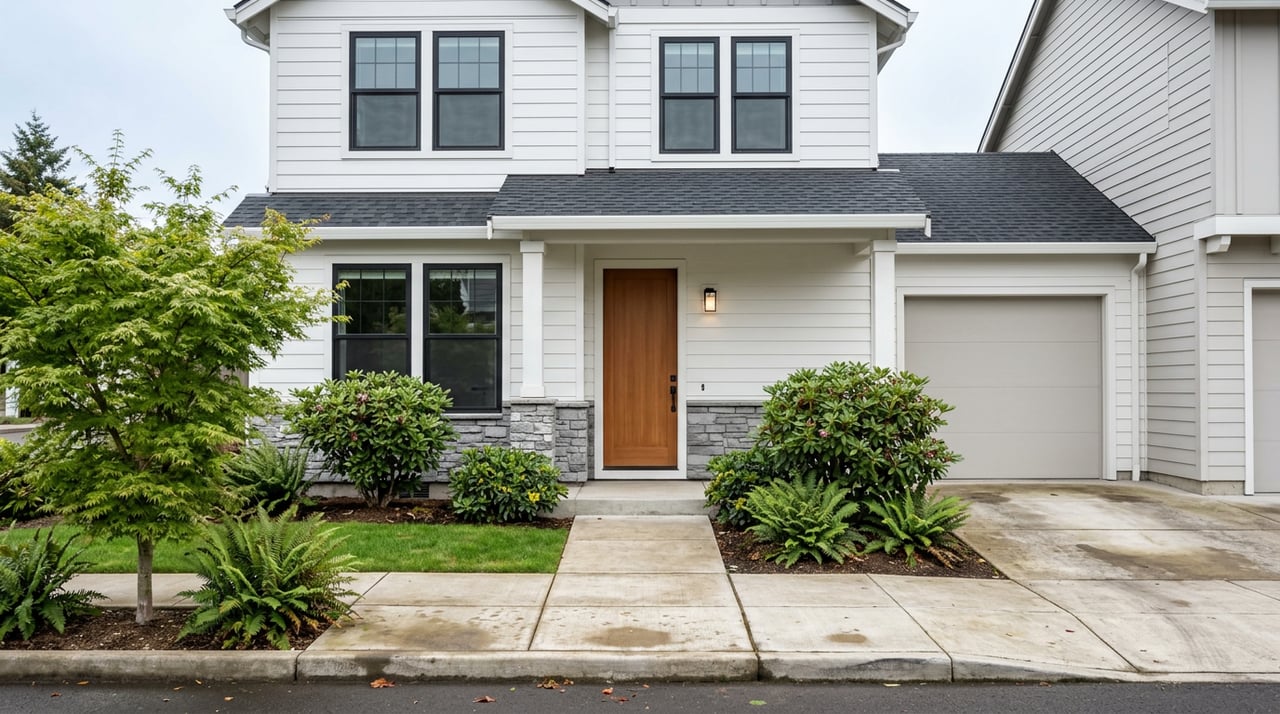
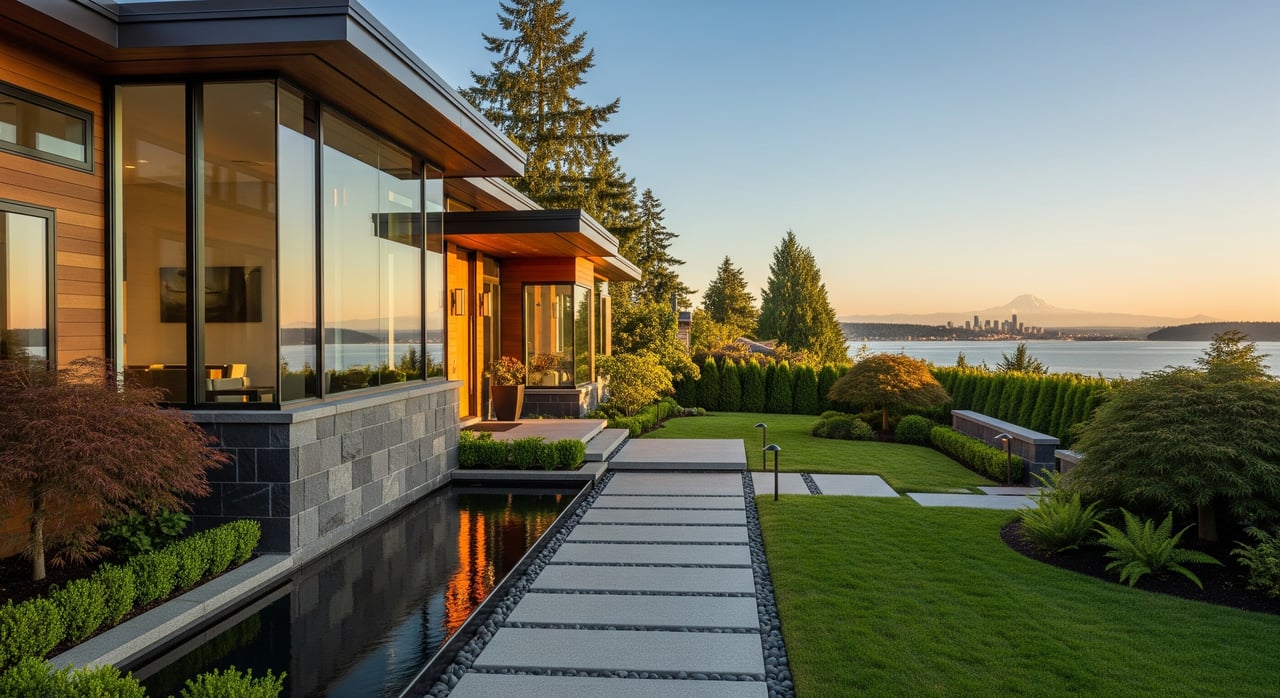
- Home type. Do you prefer a townhome near downtown, a single-family place with a yard, or a planned community with internal trails?
- Daily errands. Try a few real routes: grocery runs, daycare drop-offs, and evening walks to see what feels natural.
- School assignment. If schools are a factor, confirm boundaries and enrollment details with the district before you pick a home. Start with the Lake Washington School District overview, then check address-specific attendance maps.
When you pair this checklist with a few trial rides on the Sammamish River Trail or the Redmond Central Connector, your best-fit neighborhood usually becomes clear.
Ready to explore homes that line up with your favorite parks and trails? Reach out to Yang Xiao to start a focused, no-pressure conversation about your Redmond move.
FAQs
Is Redmond walkable or bikeable for daily errands?
- The most walkable area is downtown and Grass Lawn, and the city’s off-street network makes biking practical across neighborhoods via the Redmond Central Connector, Sammamish River Trail, and Eastrail links.
Where do families spend a full day outside in Redmond?
- Common picks are Marymoor Park for fields and the dog area, Farrel-McWhirter for the barnyard and trails, Idylwood Beach for swimming, and neighborhood parks with splash pads.
How has Link light rail changed access to parks and jobs in Redmond?
- The 2 Line brought service first to Redmond Technology Station in April 2024 and then to Downtown Redmond and Marymoor Village in May 2025, improving non-car access to major parks, trails, and employment hubs.
How many parks and trails does Redmond have?
- The city reports 47 parks across about 1,351 acres, 39 miles of city-owned trails, and roughly 59 miles of public trails when regional links are included.
What do different Redmond neighborhoods feel like?
- Downtown and Grass Lawn are most walkable, Overlake and Redmond Technology are transit and job focused, North Redmond and Idylwood feel more suburban near the lake, and planned pockets like Redmond Ridge emphasize trails and playgrounds.
What are typical home values and commute times in Redmond?
- Census QuickFacts show a median owner value around $1.17 million, median household income near $162,560, and a mean commute time of about 22 minutes.